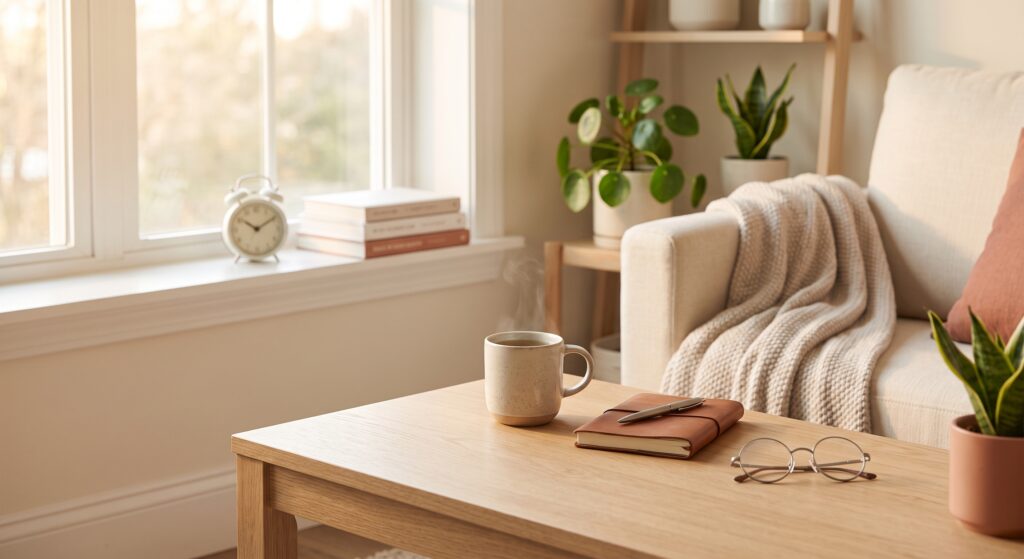
If your social feed has felt a bit warmer and less catalog-perfect lately, you’re noticing a major shift in how we decorate our spaces. Search interest in lived-in homes, layered lighting, and natural textures has surged over the past 24 hours.
People are moving away from sterile, hyper-minimalist “picture-perfect” interiors and embracing spaces that look and feel actually lived in. As we head into the fall season, the dominant home trend is all about curating a personal story rather than copying a temporary aesthetic.
What Is the “Lived-In” Home Aesthetic?
The “lived-in” approach focuses on warmth, history, and daily function over rigid design rules. Instead of replacing entire rooms every season, this movement encourages blending vintage finds, modern basics, and meaningful personal objects.
Key elements defining this look include:
- Tactile Materials: Pairing raw wood, stone, linen, ceramics, and woven textiles to create depth without adding visual clutter.
- Layered Lighting: Ditching harsh overhead lights in favor of warm table lamps, floor lights, and ambient lighting that changes the mood of a room at sunset.
- Collected Collections: Displaying well-loved books, travel keepsakes, or thrifted pottery alongside contemporary furniture.
Simple Ways to Warm Up Your Space for Fall
You don’t need a full home renovation or an expensive shopping spree to bring this cozy, curated feel into your living room:
- Swap Synthetic for Natural Textures: Introduce a chunky wool throw, linen cushion covers, or a ceramic vessel filled with autumn foliage.
- Focus on Ambient Points: Add a soft-toned lamp to a shadowy corner or bookshelf to instantly cozy up the room as evenings get longer.
- Showcase Nostalgic Details: Pull out old family recipes, vintage frames, or traditional crafts that bring a familiar, grounded feeling to your daily routine.
Step-by-Step Styling Guide for Coffee Tables & Shelves
To style a room so it looks intentional rather than staged, follow this 4-step arrangement process:
- Start with Anchors: Place your largest, heaviest item first (e.g., a heavy stone tray or large vintage art book).
- Vary Elevation: Add an object of vertical height, such as a tall ceramic vase with dried branches or a slender wrought-iron candlestick.
- Introduce Organic Elements: Incorporate a living or natural element—a potted plant, river stones, or hand-carved wooden bowls.
- Leave Negative Space: Ensure at least 40% of the surface area remains totally empty. Over-styling creates clutter, while under-styling creates warmth.
Frequently Asked Questions (FAQ)
How do I transition my current modern space to a lived-in aesthetic on a budget?
Start with lighting and textiles. Turn off overhead fixtures, add two warm-toned floor or table lamps, and swap out polyester pillow covers for natural linen or cotton canvas textures. Sourcing decor pieces from vintage shops or thrift markets also adds instant character for a fraction of the cost.
Doesn’t a “lived-in” home just mean letting clutter accumulate?
No. Clutter consists of disorganized, non-functional items lying around without a home. A lived-in aesthetic is curated; every item on display—from a stack of well-read novels to a favorite coffee mug—is selected intentionally for its utility, texture, or personal meaning.
What wall colors work best for warm minimalism?
Steer clear of stark, blue-toned whites. Opt instead for warm off-whites, soft bone tones, warm greiges, or muted earth tones like sage green, terracotta, and soft ochre.
Final Thoughts: Decorating for Life, Not Likes
Your home should be a sanctuary for living, not a backdrop for content. Embracing a lived-in space allows your home to evolve organically with you—offering comfort, character, and a sense of quiet refuge as the season turns.